![[background image] image of a bike workshop (for a bicycle shop)](https://cdn.prod.website-files.com/69b34c6a59bf4a6d19492916/69f1467b788cb6976b7a9fb9_classroom1.jpeg)
The California Department of Corrections and Rehabilitation needed a
better platform for hundreds of educators to handle over 35,000 students in dozens of different educational
programs across 31 different institutions throughout the state.
A selection of my recent case studies. Click any project to see more details and images.

.png)

The more educated an incarcerated person is, the less likely they are to be repeat offenders. The state has made it so inmates are rewarded with time off their sentence for doing well in school.
Teachers are required to do tons of data entry and admin work in a system that focuses on security and control for custody officers.
Previous systems did not make data accessible to decision makers. Nobody knew what helped or hindered different groups of incarcerated persons.
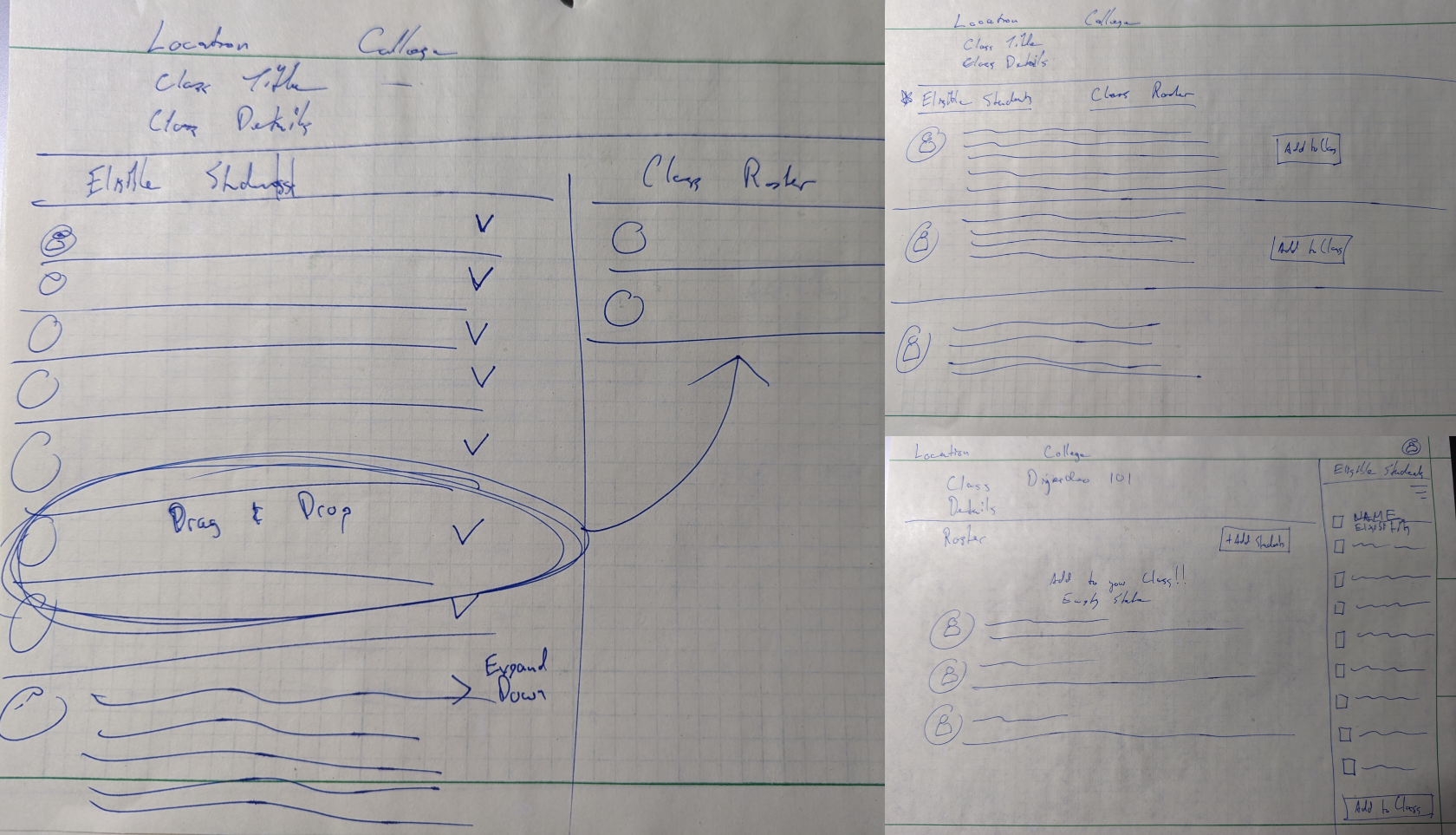
Individually based and required a ton of steps. Classes had to tie back into the custody system which carried other challenges.
Attendnace was done on an individual basis.
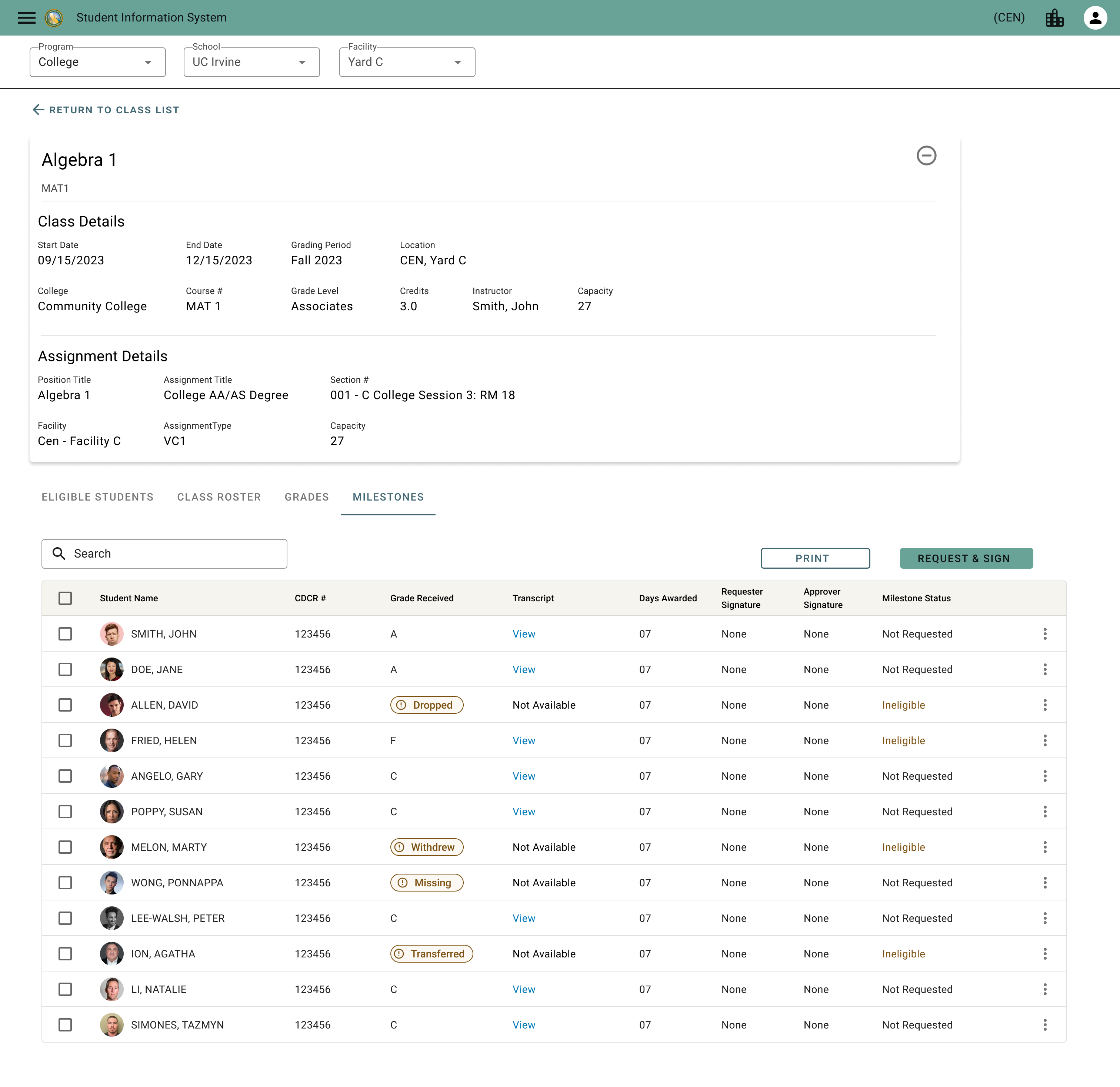
Grades had to be entered in in multiple places
Navigating to where an individual report card was filled out took forever.
Forms meant time off in inmates sentence, but reqirements took forever to check.
Editing any type of syllabus took dozens of people and hundreds of dev hours.
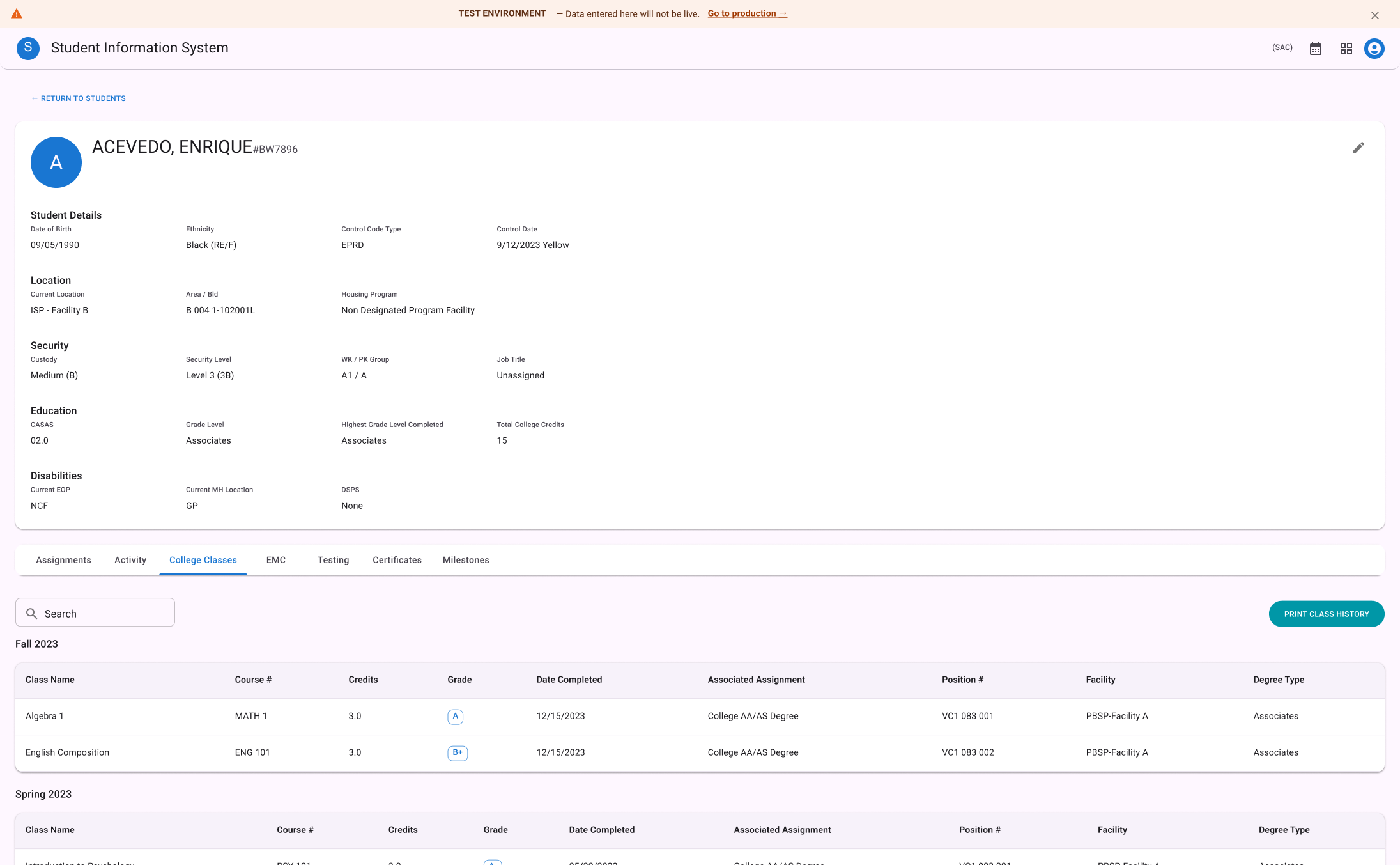
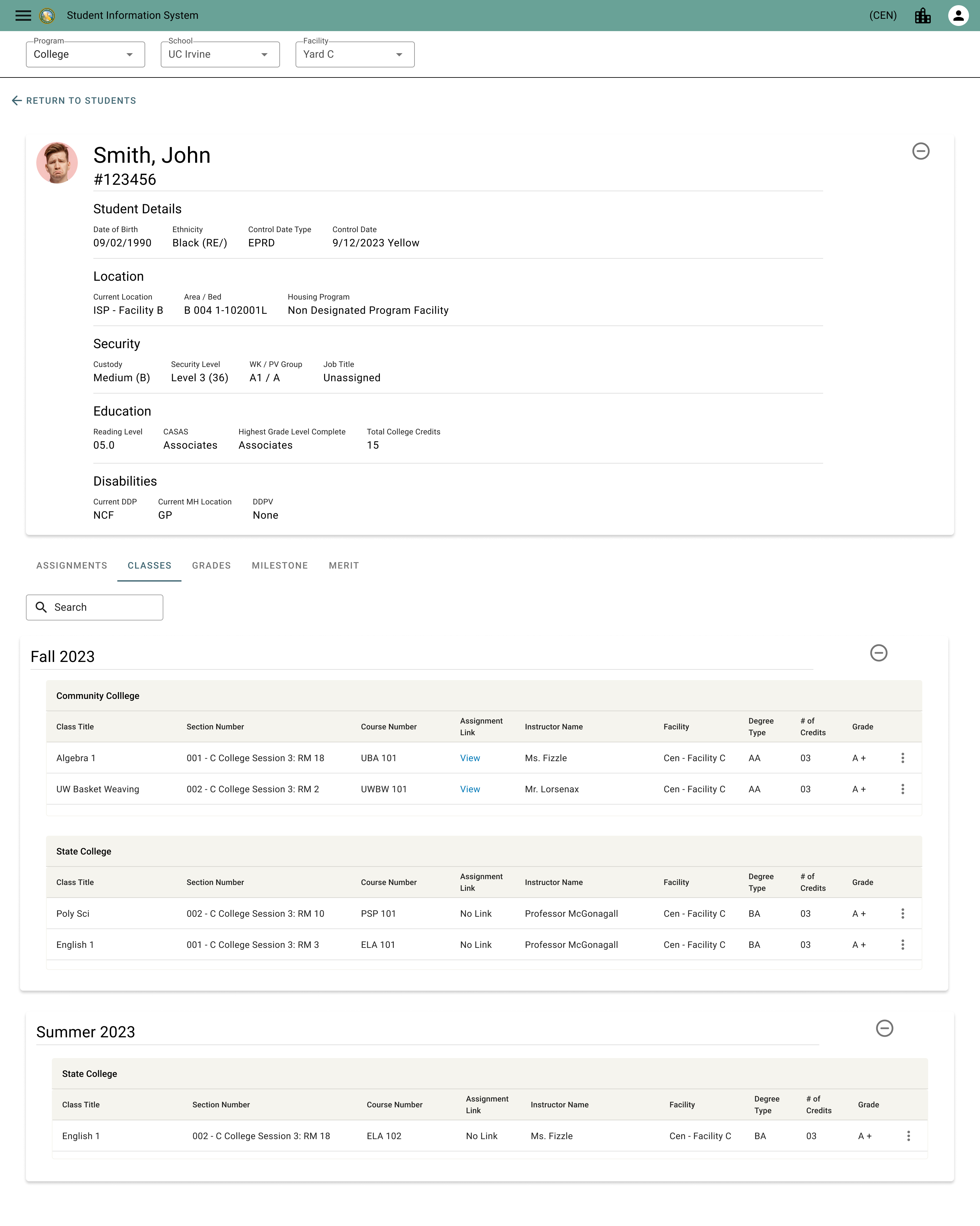
Classes & Assignments can be linked cutting down hours of data entry. All dtudent infor and edits are in one spot, and attendance can be done in bulk or individually.
![[background image] image of office space (for a travel tech)](https://cdn.prod.website-files.com/69b34c6a59bf4a6d19492916/69f28f07026f2c1bb43792d4_links.png)


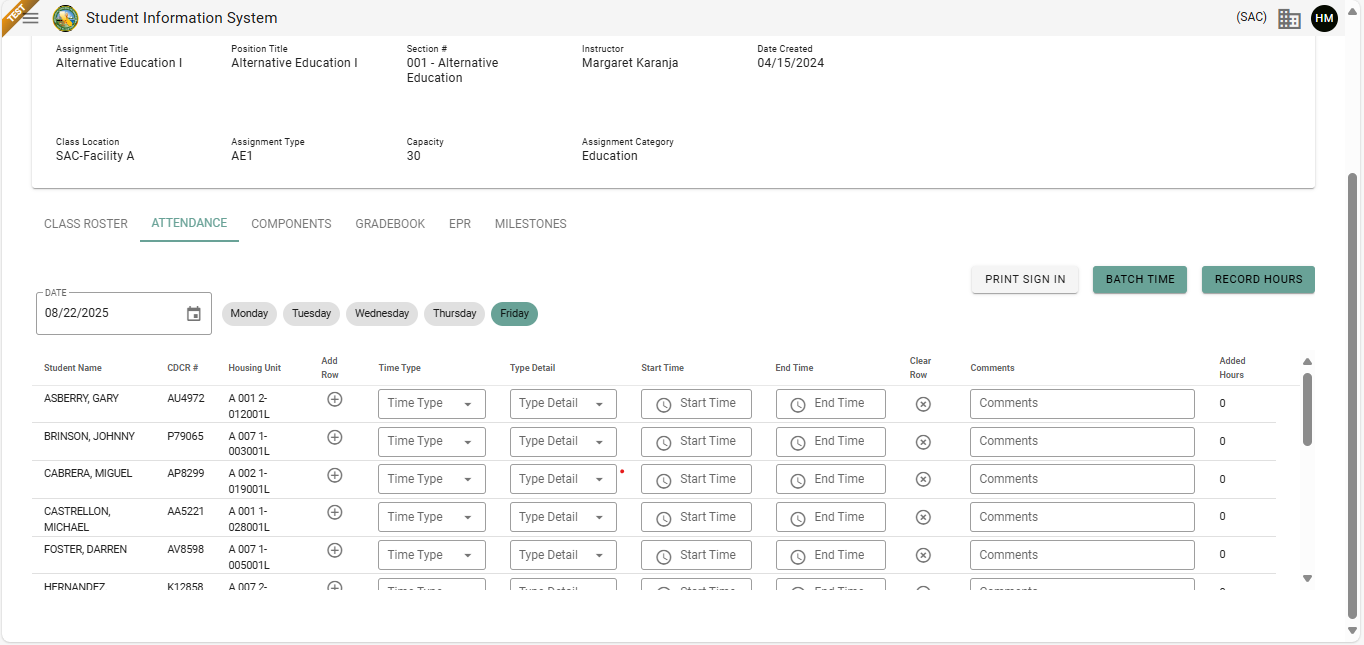
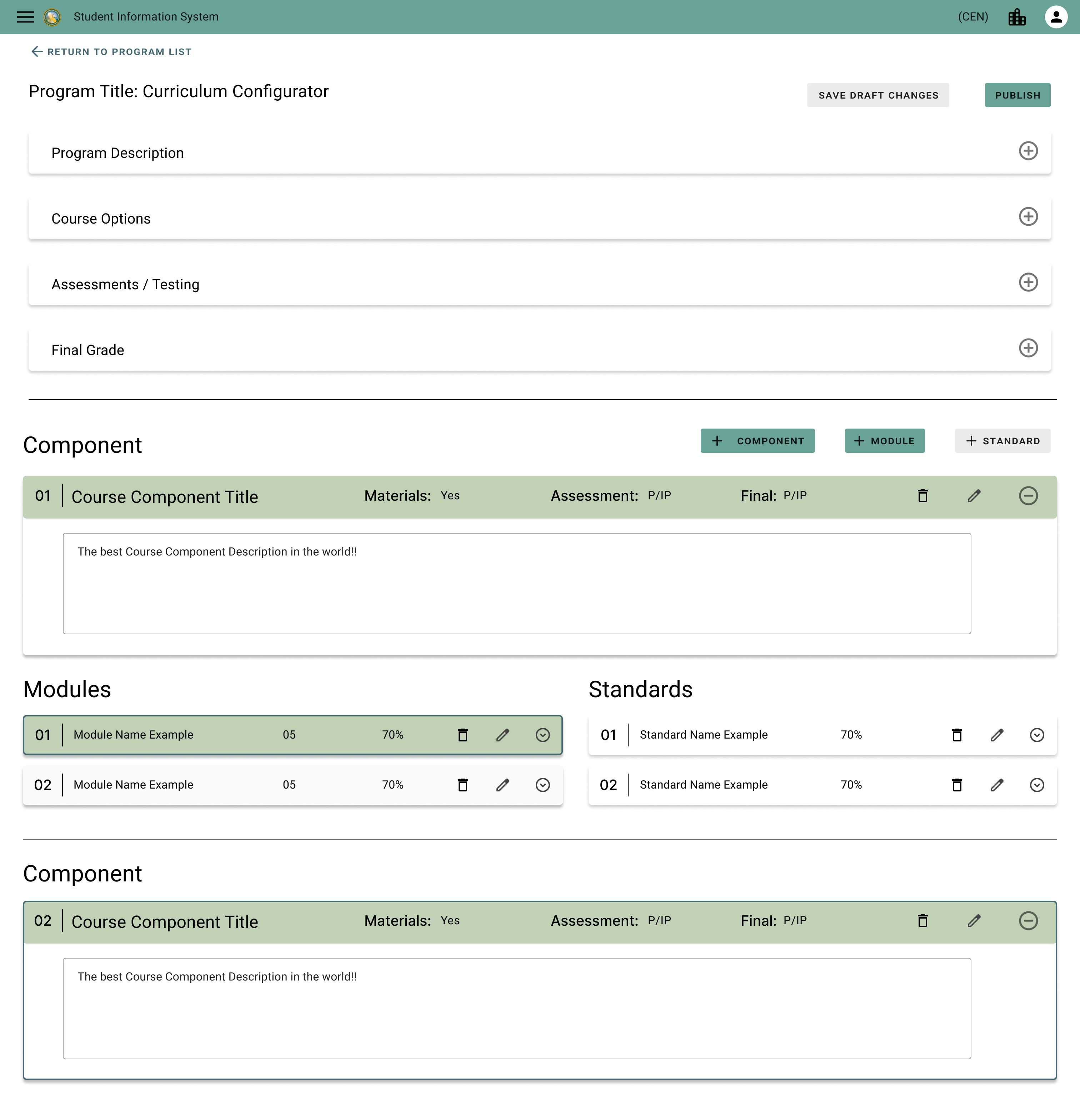
Syllabi are structured with dozens of Components and hundreds of modules & standards. These can be created and customized by Program Leads. In the gradebook, a teacher can only see 1 component at a time due to their size. Merit & Milestone credits can only be entered when criteria is met.
![[background image] image of office space (for a travel tech)](https://cdn.prod.website-files.com/69b34c6a59bf4a6d19492916/69f28f08b4acae9648ebda8f_gradebook.png)


main flows are now bulk based
more time spent with students
reduction in admin activities
We are used to doing things by individuals, not by classes. This is amazing!
I can enter grades and milestones for a whole class, all at once. Oh my god, this is mind blowing!
This is on the right trac. It’s so much easier to move around and manipulate than SOMS, it is saving me hours every day.
I think this is wonderful, for my Assistant Principals who are going to be approving these and for College Coordinators.
This application had roughly a dozen different types of users carrying out tasks for 8 different types of educational programs. Additionally, not every institution did things in the same way or has the same roles. SIS was also the first application to write information back to the SOMS custody app and the technical hurdles here had a big impact on the design. All these were still problems that I had the tools to solve, it was just a more complex problemt. The real challenges are highlighted below.
Major Challenges
Working within a large government organization such as CDCR means that several groups and people are involved in every decision. If what you are building goes against a persons or groups internal political objectives than things can become difficult. This project had tons of churn from stakeholders, including a new stakeholder completely changing the direction of the application. Change Management is key for any large enterprise product and should start as soon as it can so the change is expected. CDCR's initial ideas around this were more waterfall based, but we were able to pull them closer toward testing, pilot programs and incremental releases. Of all these issues I think I probabaly ended up sinking the most time into stakeholder alignment,
Good design is about making things easy to use and nice to look at.